

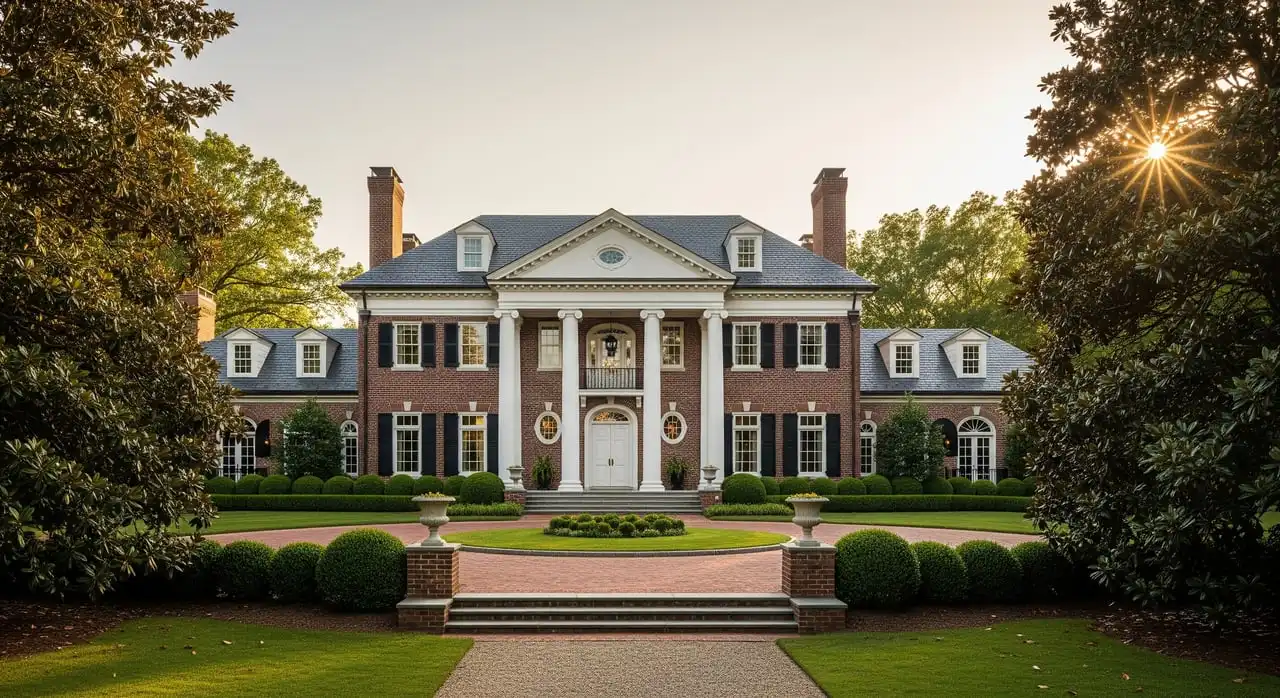
Do you find yourself drawn to the gracious, tree-lined streets of Belle Meade but unsure how to compare a Tudor to a Georgian or a mid-century ranch to a new-classic build? You are not alone. In Belle Meade, style and substance go hand in hand, and understanding the architecture helps you buy with clarity and confidence. In this guide you will learn how to spot hallmark features, weigh renovation realities, and plan the right inspections for the most common Belle Meade styles. Let’s dive in.
Belle Meade at a glance
Belle Meade’s identity centers on estate-scale lots, mature landscaping, and high-style homes built as statement residences rather than tract houses. Many properties date to the early 1900s through the 1930s, with strong revival styles, later mid-century homes, and more recent new-classic estates. Lot size, setbacks, and long frontages influence privacy, drainage, and access for construction.
The City of Belle Meade is its own municipality within Davidson County, so zoning, permits, and building rules are local. If you anticipate exterior changes, check early for any historic designations or preservation overlays that could require review. Tax incentives for historic work usually favor income-producing or certified projects, so owner-occupied homes have limited options. Also confirm utility easements, tree protection rules, and stormwater regulations that can shape placement of additions or site work.
How to choose by style
- If you love character-rich details and cozy rooms, look at Tudor Revival.
- If symmetry, formal rooms, and classical detailing speak to you, consider Georgian or Colonial Revival.
- If indoor-outdoor flow and single-level living matter most, explore mid-century ranch and modern.
- If you prefer modern systems and open plans with traditional curb appeal, new-classic may be the fit.
Tudor Revival: what to look for
Tudor Revival homes in Belle Meade commonly date to the 1920s and 1930s. Typical exteriors include steeply pitched gables, brick or stone paired with stucco and half-timbering, tall grouped windows, arched entries, and striking chimneys with decorative brick or stone. Interiors often feature beamed ceilings, wood-paneled rooms, built-ins, and masonry fireplaces.
What to check: slate or wood-shingle roof age and flashing, chimney stability, and any rot at timber-stucco infill. Original multi-pane wood windows are prized for authenticity but can be drafty without restoration. Floor plans can be compartmentalized. If opening walls is a goal, plan for structural headers and thoughtful transitions that keep the style’s integrity.
Renovation notes: prioritize roof and masonry health first. Energy upgrades, such as weather-stripping and discreet insulation improvements, can boost comfort. Preserve original millwork and fireplace details whenever possible since these are core value drivers.
Georgian and Colonial Revival
Georgian Revival hallmarks
Georgian Revival favors symmetry, brick or stone exteriors, multi-pane double-hung windows, refined cornices, and a paneled central door framed by pilasters and a decorative crown. Inside, you typically find a central hall with formal rooms, substantial staircases, and classic millwork.
Buyer implications: masonry is durable yet can conceal moisture or insulation gaps. Electrical and HVAC updates may require careful routing to protect woodwork. Any addition should respect symmetry, scale, and rooflines so the facade remains balanced.
Colonial Revival hallmarks
Colonial Revival draws on similar classical cues and can range from modest to estate-scale. Expect symmetrical elevations, entry porticos, dormers, gabled or hipped roofs, and multi-pane windows with shutters. Interiors often include formal living and dining rooms, traditional moldings, and fireplaces, with kitchens that can be smaller than today’s norms.
Buyer implications: kitchens and baths are common modernization targets. Window and sill conditions warrant close inspection, along with mortar health on brick. As with Georgian, respect the original proportions when planning additions.
Mid-century ranch and modern
Mid-century homes in Belle Meade typically date to the 1950s and 1960s. Look for single-story or split-level plans, low-pitched roofs, wide eaves, large picture windows, and sliding doors that connect to patios. Interiors often have more open flow than revival styles, lower ceilings, and built-ins. Many use slab foundations.
Buyer implications: slab foundations can complicate plumbing changes and some foundation repairs. Original single-pane windows and minimal insulation may drive energy upgrades. Electrical and plumbing systems may be outdated, so ask your inspector to review service amperage, wiring types, and pipe materials.
Renovation notes: mid-century homes respond well to respectful modernization. Enlarging kitchens, reworking baths, and improving glazing while keeping original proportions can deliver a strong result without losing character.
New-classic estates
New-classic or neo-traditional builds are recent infill or replacement homes that borrow classical proportions while delivering modern living. Facades are often symmetrical or intentionally balanced, with larger windows, high ceilings, and open interior plans. Expect modern kitchens and baths, efficient mechanical systems, and integrated smart features.
Buyer implications: fewer unknowns on structure and systems, plus easier energy performance. Still confirm build quality, warranties, and site compliance with grading, drainage, and tree protection rules. Be sure the scale and materials feel compatible with surrounding homes.
Renovations and additions in Belle Meade
Many Belle Meade lots are large enough to accommodate additions, guest houses, or pools. Setbacks, tree protection, and possible historic review can shape size and placement, so confirm feasibility before you finalize a purchase. For historic homes, best practice is repair in kind when you can, especially for windows, masonry, and distinctive trim.
Interior reconfigurations are common, especially where buyers want more openness or an expanded kitchen. Plan for structural engineering where you remove or widen load-bearing walls. Confirm HVAC and electrical capacity so system upgrades align with new layouts.
Showing checklist for any style
- Exterior condition first: roof material and age, chimneys, gutters, flashing, and visible masonry or wood.
- Windows and doors: original multi-pane sashes or later replacements, general condition, and weather-stripping.
- Floor plan and flow: openness versus compartmentalization, ceiling height, and sightlines.
- Original features: staircases, moldings, built-ins, and fireplaces that add long-term value.
- Basement or crawl: moisture signs, sump pumps, vapor barriers, and insulation on piping.
- Mechanical rooms: HVAC age and size, water heater condition, electrical service panel and amperage.
- Lot and access: driveway width, garage placement, and space for construction staging.
- Landscape: mature trees near foundations, hardscapes, and drainage patterns.
Questions to ask before you write an offer
- What year was the home built, and what permitted work has been completed?
- Is the property listed on any historic registers or within a preservation overlay?
- Are there known drainage or foundation issues, and how have they been addressed?
- What are typical utility and property tax levels for comparable houses in Belle Meade?
- Are there easements or restrictions that affect where an addition or garage could go?
- Will the inspector focus on roof and chimney integrity for revival styles and slab or system issues for mid-century homes?
Professionals to involve early
- Historic preservation architect or an architect with experience in traditional homes.
- Structural engineer for foundation concerns or major openings.
- Contractor with expertise in slate, masonry, wood windows, or mid-century systems as appropriate.
- Landscape architect or arborist for tree health, grading, and stormwater planning.
Inspection hot spots and red flags
Across all styles, prioritize roof condition, foundation movement, drainage and grading, mechanical systems, and window and door health. Older homes may have limited insulation, and pre-1978 properties can contain lead paint or asbestos that require proper handling.
Style-specific notes:
- Tudor: check chimney stability, flashing, and any deterioration at half-timber infill. Slate repairs require specialized trades.
- Georgian or Colonial Revival: evaluate mortar joints, sill flashing, and any past openings in load-bearing walls.
- Mid-century ranch or modern: review slab for cracks, assess electrical and plumbing age, and look for asbestos siding or floor tiles where present.
- New-classic: verify workmanship and warranties, and confirm site drainage and tree protection were handled correctly.
Cost priorities for buyers
Focus first on big-ticket items that affect safety and longevity. Then layer in updates that deliver comfort and value.
- High priority: roof replacement or repair, foundation stabilization, major structural work, and replacing aging HVAC.
- Medium priority: kitchen and bath renovations, window and insulation upgrades when done sensitively.
- Lower priority: interior paint, lighting, and landscape refreshes that enhance presentation.
Bringing it all together
Buying in Belle Meade is as much about choosing a life within a specific architectural story as it is about square footage or finishes. When you understand each style’s hallmarks and common repair needs, you can target the right homes, budget with confidence, and plan improvements that protect long-term value. If you want a seasoned eye on both design and feasibility, you deserve guidance that blends market insight with contractor-level know-how.
Ready to assess a Belle Meade home or narrow your style shortlist? Connect with Fern Estate Co to explore options, weigh renovation paths, and move forward with clarity.
FAQs
What defines Belle Meade’s architectural identity?
- Estate-scale lots, mature landscapes, and a concentration of early 20th century revival styles alongside mid-century and new-classic homes create a refined, high-style setting.
Are historic rules a factor when renovating in Belle Meade?
- They can be, depending on listings or overlays, so confirm whether your property has any designation and check local permit requirements before planning exterior changes.
How do Tudor homes differ from Georgian or Colonial Revival?
- Tudor emphasizes steep gables, half-timbering, and asymmetry, while Georgian and Colonial Revival favor symmetry, brick or stone facades, classical trim, and formal central-hall plans.
What are the typical mid-century ranch considerations?
- Expect slab foundations, large windows, and more open plans, with possible upgrades needed for insulation, windows, electrical service, or plumbing systems.
Do new-classic builds reduce renovation risks?
- Often yes, because systems and structures are newer, but you should still verify build quality, drainage, and adherence to local rules and setbacks.
Which costs should I prioritize in an older Belle Meade home?
- Address roof, foundation, mechanicals, and moisture issues first, then plan kitchen, bath, and energy upgrades that respect the home’s original character.
Social Cookies
Social Cookies are used to enable you to share pages and content you find interesting throughout the website through third-party social networking or other websites (including, potentially for advertising purposes related to social networking).