

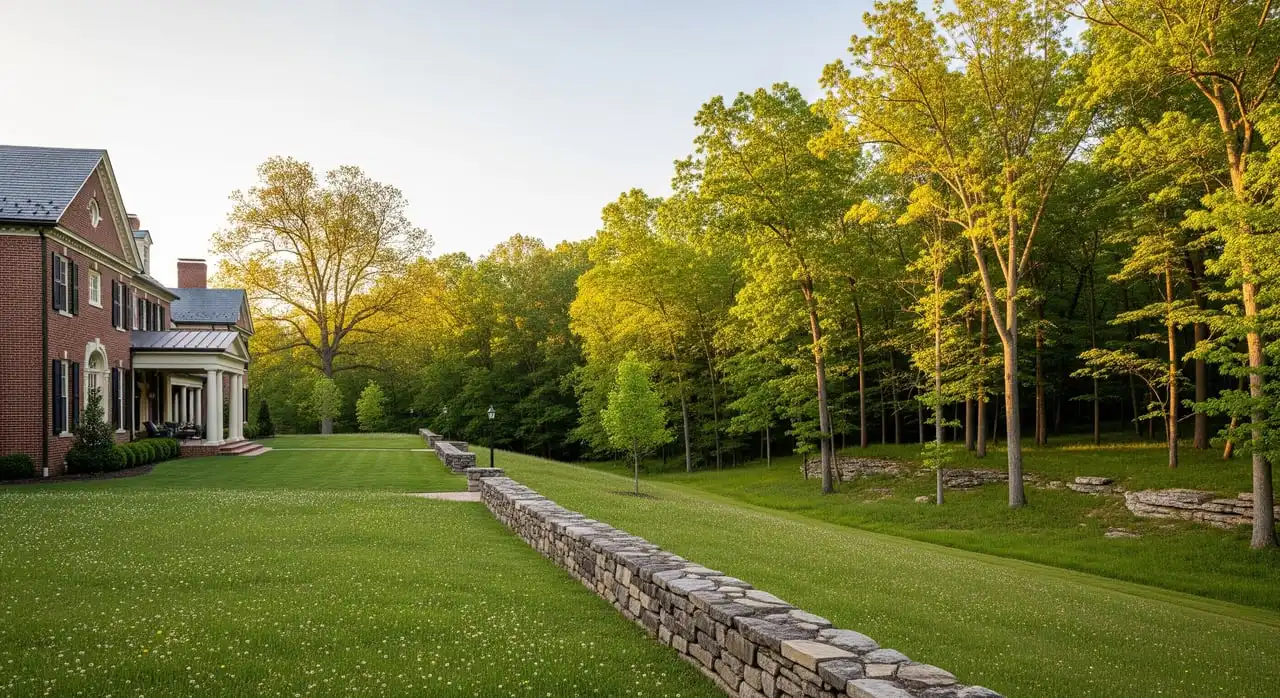
Are you weighing how to protect your Forest Hills acreage while keeping room for a future home or light improvements? You’re not alone. Many 37215 owners want to preserve tree canopy and privacy without shutting the door on thoughtful use. This guide explains how conservation easements work locally, what they can allow or limit, and how they affect building, financing and resale. You’ll also find a clear checklist and local resources to make decisions with confidence. Let’s dive in.
What a conservation easement is
A conservation easement is a voluntary, recorded agreement between you and a qualified holder that limits certain uses of your land to protect conservation values like forest, wildlife habitat or open space. You keep private ownership and can sell or pass the property on, but the agreed restrictions “run with the land” and bind future owners.
Most easements are perpetual. Terms are customized and spelled out in the easement deed and exhibits, including maps, legal descriptions and a baseline documentation report that records the property’s condition at the time of closing. The easement holder has monitoring and enforcement rights, including reasonable access for inspections.
How easements are used in Forest Hills
Forest Hills owners often pursue easements to maintain mature canopy, protect scenic ridgelines and preserve the community’s large-lot character. Easements are also used to safeguard stream corridors and habitat, and to prevent subdivision that could change the area’s residential feel. For some families, easements support estate and legacy goals by ensuring land remains conserved for future generations.
Common restrictions
- Limits on subdivision and lot splitting.
- Defined building envelopes where homes and outbuildings may be located, with the rest protected.
- Tree clearing limits outside building envelopes, sometimes including canopy thresholds or protected species.
- Constraints on new roads, grading and erosion control standards during construction.
- Visual corridor and structure height limits to protect scenic values.
Common allowed uses
- A primary residence and accessory structures within a mapped building envelope.
- Domestic agriculture, gardens and trails that align with conservation goals.
- Forestry and vegetation management if the easement allows it, often under a written management plan. Some easements prohibit commercial timber harvest entirely.
What it means for you as an owner
An easement narrows certain rights but keeps many others intact. You remain responsible for taxes, insurance and maintenance. Most holders conduct periodic monitoring to confirm compliance. Some easements require a stewardship contribution or endowment that helps fund long-term monitoring and enforcement.
Improvements and renovations
Permitted changes depend completely on the recorded terms. Routine maintenance and existing uses are typically fine. New homes, larger outbuildings, driveway changes or extensive tree clearing may require written approval from the holder unless clearly reserved in the deed. Planning a project? Share concept plans with the holder before you hire crews or pull permits.
Zoning and permits still apply
An easement does not replace local rules. You must still meet Metro Nashville zoning, site-plan and building permit requirements. For permits, planning and property questions, consult Metro Nashville and Davidson County resources on the official city website.
Buying or selling with an easement in 37215
Easements are recorded in the Metro Nashville and Davidson County land records and are discovered in a standard title search. They will remain in effect for future owners. Disclose early and clearly when you sell so buyers understand both protections and limitations.
Marketability and value
Easements reduce development potential, which can lower value to a developer buyer. At the same time, the permanence and privacy can be a strong selling point for amenity-focused buyers who want assurance the land’s character will endure. In Forest Hills, that conservation promise often aligns with what many buyers value most: canopy, views and quiet.
Financing and title points
Most conventional lenders will finance properties with standard conservation easements if the restrictions do not unreasonably impair marketability. If a mortgage predates an easement, lenders typically require written consent or subordination. If the easement is already recorded, future mortgages are usually subordinate to it. Bring your lender in early and share the easement deed so underwriting stays on track.
Appraisal considerations
Appraisers must account for the rights given up and any effects on use or income. If a donation or bargain sale is part of your plan, a qualified appraisal is usually required for tax reporting. Choose an appraiser experienced with conserved land so the analysis reflects how buyers actually behave in Forest Hills.
The process to place an easement
Placing an easement is a structured, collaborative process with a land trust or government holder. Expect the following steps:
- Initial conversation. You and a potential holder discuss conservation goals and feasibility.
- Preliminary assessment. The holder evaluates conservation values, likely restrictions and costs.
- Negotiate terms. You define what rights are restricted and what is reserved, along with access, amendment and enforcement language. Stewardship funding is also discussed.
- Survey and legal description. A professional survey supports the recorded deed and exhibits.
- Baseline documentation report. Photos, maps and descriptions capture current conditions for future monitoring.
- Appraisal if needed. If a donation or bargain sale is involved, a qualified appraisal may be required for tax purposes.
- Legal drafting and review. Attorneys for both parties finalize the deed and exhibits.
- Closing and recording. The deed is signed and recorded with the Davidson County Register of Deeds, and any stewardship funds are transferred.
- Post-closing monitoring. The holder begins periodic inspections per the monitoring plan.
Timeline and costs
From first call to recording, expect several months to a year or more, depending on complexity, funding and tax objectives. Costs can include survey, legal fees, appraisal, baseline documentation and a stewardship or monitoring contribution.
Due diligence checklist for buyers and sellers
Use this list before you buy, sell or plan major projects on conserved land:
- Obtain and read the recorded easement deed and all exhibits, including maps, building envelopes, reserved rights and amendment procedures.
- Obtain the baseline documentation report and any monitoring reports or correspondence with the holder.
- Confirm who the easement holder is and get contact information. Ask about the monitoring schedule and any enforcement history.
- Check recorded title for the easement, mortgages, liens and any recorded subordination or consent agreements.
- Consult your lender early. If financing will be used, obtain a statement that the easement is acceptable.
- Confirm zoning, setbacks and required permits with Metro Nashville planning and building departments. The easement does not replace permits.
- Ask about stewardship or endowment obligations and whether any payments are required now or in the future.
- If planning improvements, get written confirmation from the holder about whether the work is permitted.
- Obtain an appraisal from a professional experienced with conserved properties if valuation will affect your negotiations or financing.
- Confirm property tax implications with the Metro Nashville Property Assessor or Tax office and whether any current-use or open-space programs apply.
- When selling, disclose the easement early in marketing materials and make sure buyers understand what is restricted and what is allowed.
Local partners and resources
- For national best practices, standards and sample approaches, see the Land Trust Alliance.
- To connect with a statewide land trust active in Tennessee, visit the Land Trust for Tennessee.
- For state laws and conservation program information, use the Tennessee state government portal.
- For Metro Nashville zoning, permitting and property assessment, start with the city’s official website.
- To learn about regional conservation initiatives and partners, explore The Nature Conservancy.
- For federal guidance related to conservation easements and charitable deductions, search the IRS website and consult your tax advisor for specifics.
When to ask for help
If you plan to place an easement, buy conserved land or build within an existing building envelope, coordinate early with the easement holder, your lender and a real estate attorney experienced with conservation easements. This small step prevents surprises and keeps your timeline and budget on track.
If you want a clear read on how an easement affects marketability, pricing and buyer appeal in Forest Hills, we are here to help. With design-minded marketing and contractor-level insight, we can position your property’s conservation story as a real advantage. Ready to talk through options? Reach out to Fern Estate Co.
FAQs
What is a conservation easement on Forest Hills land?
- A conservation easement is a recorded agreement that limits certain uses to protect conservation values, while you keep private ownership and the right to sell or pass the land on.
How do easements affect building a home in 37215?
- Many easements define a building envelope where you can place a home and accessory structures. Work outside that area is often restricted and may require holder approval.
Will a conservation easement reduce my property taxes?
- Not automatically. Tax treatment depends on local programs and land use. Confirm details with Metro Nashville property assessment resources on the city’s official website.
Can I finance a home purchase on conserved acreage?
- Many lenders will finance conserved properties after reviewing the easement. Engage your lender early and share the deed so underwriting can confirm acceptability.
Can an easement be changed or removed later?
- Some deeds include limited amendment procedures. Extinguishing a perpetual easement is rare and subject to legal constraints and holder consent.
Does an easement allow timber harvest or land management?
- It depends on the deed. Some allow sustainable forestry under a management plan, while others prohibit commercial harvest. Always check the recorded terms.
Social Cookies
Social Cookies are used to enable you to share pages and content you find interesting throughout the website through third-party social networking or other websites (including, potentially for advertising purposes related to social networking).