

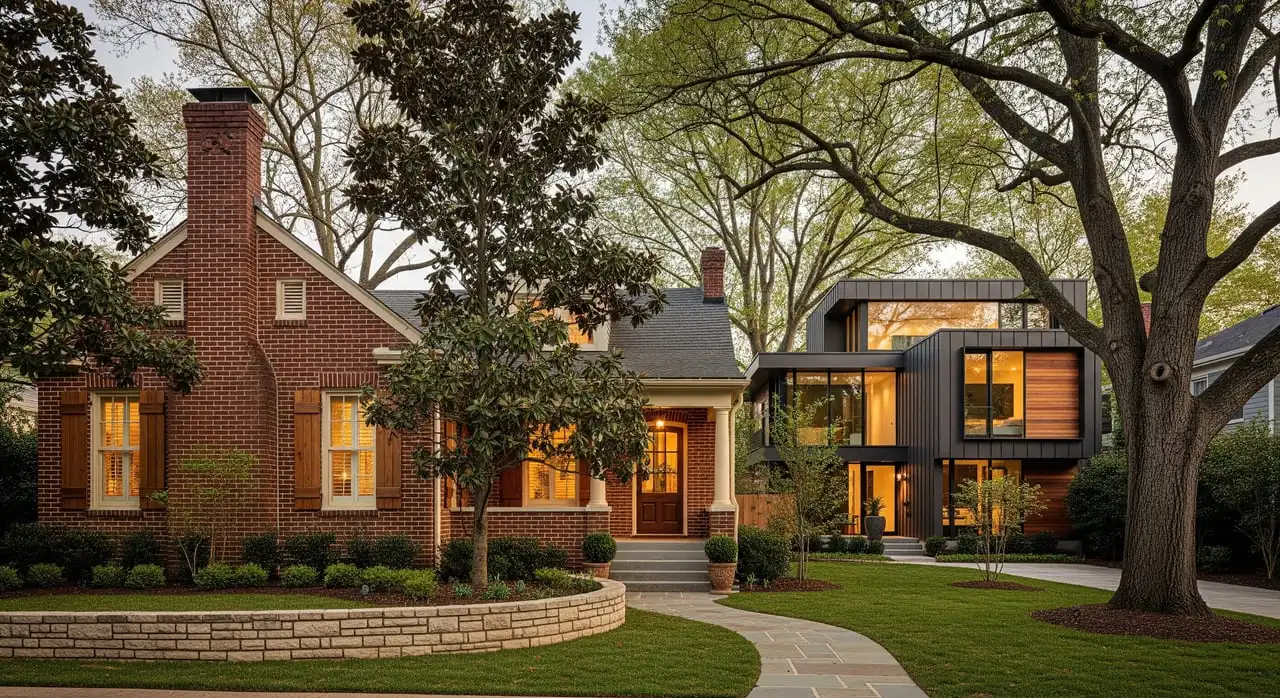
Staring at a mid-century ranch in Green Hills and wondering if you should preserve its character or start fresh? You are not alone. In 37215, the decision often comes down to a mix of land value, zoning, construction scope, and buyer demand. This guide breaks down what matters most so you can choose a path that fits your goals, timeline, and budget. Let’s dive in.
Green Hills context
Green Hills is a mature west-side Nashville neighborhood known for mid-20th-century ranches, cottages, and later infill homes. Lots are desirable and well located near retail along Hillsboro Pike and nearby corridors, with convenient access to downtown. Buyers here often prioritize modern open plans, more square footage, and high-end finishes. That mix of land value and buyer preferences is why you see both teardowns and thoughtful renovations on the same streets.
Teardown vs. renovation drivers
Several forces shape which path makes sense for a given property. Understanding each one helps you weigh cost, feasibility, and resale appeal.
Economic reality: land vs. structure
When the land value is high relative to the existing structure, teardown can be rational. Large or well-positioned lots that support a bigger footprint often push value toward a new build. Renovation can win if the structure has remaining useful life, strong features, or if upgrade costs are lower than the market premium for new construction.
Zoning and overlays
Zoning rules, overlays, and any neighborhood covenants set the physical envelope for new work. Setbacks, lot coverage, height, and floor-area ratio can limit how large you can build. If a historic or conservation overlay applies, demolition or major changes may require design review or a Certificate of Appropriateness, so verify rules early.
Site and physical constraints
Lot shape, mature trees, drainage, utilities, grade, floodplain status, and easements can affect where and how you build. Severe foundation issues, pervasive rot, or widespread mold in the current home can tilt the math toward teardown. If systems are aging but repairable, renovation may stay viable.
Architectural pedigree
Some Green Hills homes, especially mid-century or architect-designed properties, carry aesthetic or cultural value. Preserving original millwork, windows, or a distinctive layout can resonate with design-minded buyers. Homes without distinguishing features or with poor configurations are more often candidates for replacement.
Market and resale dynamics
Buyer preference drives returns. In areas with active infill, buyers tend to expect turnkey finishes and open plans, which can favor new builds or gut renovations. If nearby sales show strong premiums for preserved character, renovation can compete well.
Financing and taxes
Construction loans and renovation mortgages are common paths for funding. All-cash is also common for teardown purchases when lenders limit financing on homes slated for demolition. Expect reassessment after major additions or new construction, which can raise property taxes and carrying costs.
Renovation candidate checklist
Use this quick screen to judge whether preservation is practical and profitable.
Structural and systems signals
- Foundation and framing are sound, with no major settlement or widespread cracks.
- Roof, HVAC, plumbing, and electrical need upgrades but not full replacement throughout.
- No pervasive water intrusion or mold indicating ongoing remediation costs.
Layout and architectural signals
- Good bones: solid orientation, natural light, workable ceiling heights, and walls that can be reconfigured cost-effectively.
- Distinctive features worth saving, like original millwork, built-ins, or mid-century details.
Site and zoning signals
- Setbacks, trees, or easements limit expansion, making modernization within the footprint a smart play.
- Preserving the home aligns with nearby sales of renovated originals.
Market and economics
- Comparable renovated homes in 37215 show pricing that supports your projected renovation budget.
- Local buyers show interest in authentic character with modern function.
Red flags for teardown
- Severe foundation failure, extensive termite damage, or rot that rivals new-build costs.
- Lot and zoning support a much larger, higher-value new home than any feasible renovation could deliver.
- Hazardous material removal would be cost-prohibitive relative to the benefit.
Permits, timelines, and costs
Knowing the process helps you set realistic expectations and avoid delays.
Permits and approvals
- Demolition requires a permit. You may need proof of utility disconnect, erosion control, and waste handling.
- If your property falls under a historic or conservation overlay, design review or a Certificate of Appropriateness may be required before demolition or major alterations.
- Tree protection, stormwater, and erosion control rules can apply to both renovation and new construction.
Typical timelines
- Renovation: cosmetic updates can take weeks to a few months. Whole-house or structural projects commonly run 3 to 9 months.
- Teardown and new build: demolition and site prep take weeks. New construction often runs 8 to 12 months or more, with total timelines of 9 to 18 months depending on scope and approvals.
Cost considerations
- Renovation costs vary widely with scope. Cosmetic work is lower per square foot than structural reconfigurations.
- New construction per-square-foot costs often exceed renovation on a simple comparison, but new builds can add more usable area and capture a premium.
- Do not forget soft costs like design, engineering, permitting, utility work, landscaping, and potential tax increases post-rebuild.
Financing options
- Renovation mortgages, such as FHA 203(k) or Fannie Mae HomeStyle, and construction loans are common tools.
- Some buyers use cash for teardowns due to lender limitations on properties slated for demolition.
- Speak with lenders early to understand draw schedules, appraisals, and contingencies.
Tax, resale, and insurance
- Major additions and new builds typically trigger reassessment for property taxes.
- Vacant or under-construction homes require specific insurance policies.
- Renovated and new homes often sell faster in markets that favor turnkey product, though some buyers will pay for preserved character.
A simple side-by-side thought exercise
- If the land can support a significantly larger home within zoning limits and nearby new builds sell at a premium, the teardown path may maximize value.
- If the current home has strong bones, features buyers love, and site limits reduce expansion potential, a thoughtful renovation may deliver a better return.
- In either case, get real numbers for both scenarios so you are comparing apples to apples.
Step-by-step due diligence
- Confirm zoning, overlays, setbacks, and allowable coverage with Metro Planning.
- Pull lot size, year built, and tax history from the Davidson County Assessor.
- Order a structural and systems inspection, with specialists if concerns arise.
- Get at least two estimates for a major renovation and a teardown plus new build on the same lot.
- Review recent comparable sales in 37215 for both renovated originals and new construction to test resale assumptions.
- Talk with at least one lender about renovation and construction financing options and requirements.
When preservation pays off
Preservation tends to shine when a home’s architecture carries weight and the structure is sound. Buyers in Green Hills often appreciate character when paired with modern function and finishes. If your layout can be opened up and key systems are upgrade-ready, renovation can align with both your budget and the neighborhood’s design sensibility. The result is a home that feels true to the street, while meeting today’s standards.
Work with a trusted local guide
You deserve advice that pairs market insight with build-level knowledge. If you want a clear, side-by-side plan for your Green Hills property, we can help you scope both renovation and new-build paths and connect you with the right specialists. Book a consultation with Fern Estate Co to start a confident, well-informed plan.
FAQs
What permits do I need to demolish a house in Nashville?
- You will need a demolition permit, and may also need utility disconnect confirmations, erosion control plans, and waste handling documentation; overlays can require design review before approval.
How long does a new build take in Green Hills?
- Demolition and site prep take weeks, and new construction commonly takes 8 to 12 months or more, with a total timeline often ranging from 9 to 18 months.
How do zoning and overlays affect teardown potential?
- Setbacks, lot coverage, height, and floor-area ratio define the buildable envelope, while historic or conservation overlays can restrict demolition and require design review.
What signs suggest my Green Hills home is better for renovation?
- Sound structure, repairable systems, good bones, distinctive features, and site limits that make within-footprint modernization attractive are strong signals.
What financing options support renovation vs. teardown in 37215?
- Renovation mortgages and construction loans are common, while some teardown purchases are cash-based due to lender limits on homes slated for demolition.
Will my property taxes change after rebuilding?
- Major additions and new construction typically trigger reassessment by the county, which can increase property taxes and ongoing carrying costs.
Social Cookies
Social Cookies are used to enable you to share pages and content you find interesting throughout the website through third-party social networking or other websites (including, potentially for advertising purposes related to social networking).