

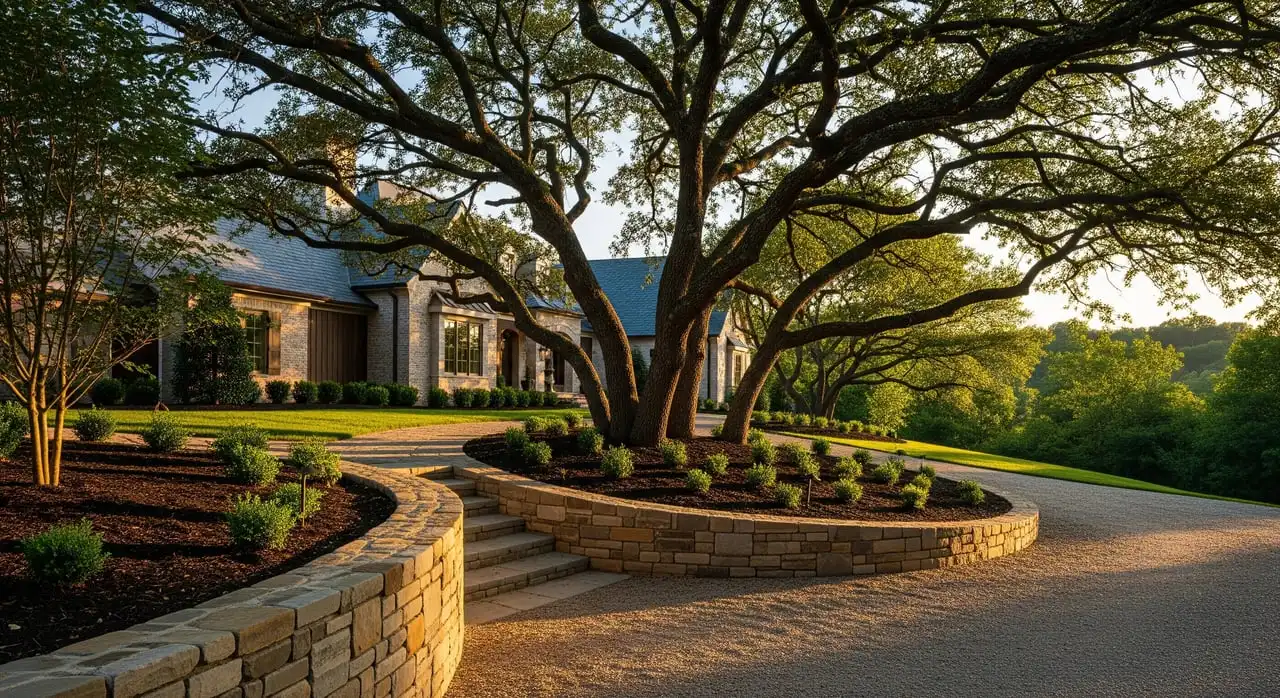
Planning a pool, addition, or new build on a West Meade lot that slopes and is shaded by mature trees? In Nashville, hillside and tree standards shape what you can design, where you can place it, and how long approvals take. If you want to protect your setting and avoid costly surprises, a little upfront clarity goes a long way. This guide explains how Metro Nashville’s hillside and tree rules apply in West Meade, what triggers them, how review works, and the smartest steps to take first. Let’s dive in.
Why these rules matter in West Meade
West Meade’s rolling terrain and mature canopy are part of its appeal. Those same features also trigger city reviews that affect grading, drainage, and tree work. In Nashville, hillside and land‑disturbance rules often run in parallel with tree protection requirements. Both can influence the feasibility, design, schedule, and cost of additions, pools, driveways, and new construction.
Metro Nashville agencies that commonly review these projects include the Planning Department, Codes and Building Safety, Stormwater within Metro Water Services, and the city’s urban forestry or tree program. Some projects also involve neighborhood planning staff, the Tree Conservation Commission or similar advisory groups, and the Board of Zoning Appeals when variances are requested.
What counts as a hillside or steep slope
Metro evaluates your property’s topography to locate areas that meet defined slope thresholds in the municipal code. If your proposed work falls within those areas, special standards apply. Typical concerns include limits on cut and fill, disturbance footprint, and the stability of slopes during and after construction. Expect the city to require engineered grading plans, soil stabilization, and drainage controls to prevent erosion and downstream impacts.
Because exact slope thresholds and triggers can change, you should verify the current definitions and requirements in Metro Nashville’s Code of Ordinances and zoning text, or confirm them with staff during a pre‑application review.
Tree protection basics in Nashville
Tree rules focus on preservation where feasible, safe removals when necessary, and mitigation when protected trees are removed. In practice that means:
- A tree survey and protection plan are often required for construction activity, especially near steep slopes.
- A certified arborist typically inventories trees, identifies which must be protected or removed, and recommends mitigation.
- Mitigation can include replacement plantings on site, off‑site plantings, or a mitigation payment if on‑site planting is not possible.
Tree protection is enforced alongside land‑disturbance and erosion control. Removing trees on slopes increases erosion risk, so expect stronger stabilization measures and closer inspection when removals occur in steep areas.
Common projects that trigger review
You can expect hillside and tree requirements to come into play when you plan:
- New home construction on a sloped lot.
- Home additions that require grading or new footings in sloped areas.
- In‑ground pools, terraces, or patios that need cut, fill, or retaining walls.
- Driveways, utilities, or septic work that cross slopes or tree root zones.
Even small projects can trigger review if they disturb steep areas, remove protected trees, or exceed a land‑disturbance threshold. Early verification will save time.
The documents you will likely need
For most West Meade projects on sloped or treed lots, plan to assemble:
- A current topographic survey showing existing grades and the extent of slope areas.
- A tree inventory and protection plan prepared by a certified arborist.
- A site plan that maps limits of disturbance, proposed grading, erosion control, and stabilization.
- Engineered details for retaining walls, foundations, and drainage.
- A stormwater and erosion control plan if land disturbance meets Metro thresholds.
These documents help staff verify safety and compliance while giving your team a clear construction roadmap.
Who reviews your plans and why
Several Metro departments typically review concurrently:
- Planning checks zoning and site plan requirements, including any hillside or steep‑slope standards.
- Codes and Building Safety reviews building permit applications and structural safety.
- Stormwater reviews land‑disturbance and erosion control measures and may require stabilization phasing.
- Urban Forestry or the tree program reviews tree protection and mitigation plans.
If your plan cannot meet code standards, you may redesign, request an administrative exception where allowed, or seek a variance that usually requires a public hearing and extends the timeline.
Design strategies that work on West Meade slopes
Thoughtful design can reduce risk, review time, and cost. Consider these strategies early:
- Cluster improvements in the least steep portions of your lot to minimize disturbance.
- Preserve healthy mature trees where feasible to help stabilize slopes and manage runoff.
- Use engineered retaining walls and step or bench slopes instead of creating steep exposed cuts.
- Plan access routes and staging areas that avoid root zones and prevent unnecessary clearing.
- Coordinate foundation and drainage design with arborist recommendations for root protection.
The outcome is usually a safer project that navigates approvals more smoothly and respects the character of the site.
What to expect during permitting and construction
A typical pathway looks like this:
- Pre‑application and due diligence
- Order a topographic survey and a tree inventory before design begins.
- Meet with Metro Planning staff to review your concept and confirm applicable hillside and tree requirements.
- Pull Metro GIS maps for slopes, floodplains, and any overlay districts that may add constraints.
- Submittal and review
- Submit your site plan, grading and retaining wall details, stormwater plan, and arborist‑stamped tree protection and mitigation plan.
- Planning, Codes, Stormwater, and Urban Forestry review concurrently and may request revisions.
- Construction and inspections
- Expect pre‑construction verification of tree protection fencing and erosion controls before any grading starts.
- Inspections continue through grading, wall construction, and final stabilization. Tree protection remains in place until completion.
Timelines and costs to plan for
Every site is different, but you can plan around these general patterns:
- Straightforward projects that avoid steep areas and protected trees can move through permits in weeks.
- Projects that need engineering, tree mitigation, and land‑disturbance review often take several weeks to months for plan preparation and agency review.
- Variances or complex environmental mitigation can extend timelines by multiple months.
- Fees vary by permit type and project size. Budget for consultant costs such as arborist reports, civil engineering, and specialized foundation or retaining wall design in addition to permit fees.
Confirm current review times and fee schedules with Metro staff at the outset, since workload and rules can change.
Due diligence checklist for West Meade buyers and owners
Use this as a quick roadmap before you commit to design or closing:
Before purchase
- Pull parcel GIS maps showing slopes, floodplains or stream buffers, and any overlay districts.
- Ask the seller for prior permits, site plans, and any geotechnical or arborist reports.
- If possible, obtain a topographic survey and a certified arborist tree inventory to identify protected trees and steep areas.
- If you plan major changes, schedule a pre‑application chat with Metro Planning or consult a local design professional who knows Nashville’s hillside and tree rules.
Under contract or early ownership
- Engage a civil engineer or landscape architect experienced with hillside design in Nashville.
- Hire a certified arborist to complete a tree survey and mitigation recommendations.
- Confirm land‑disturbance thresholds and whether a stormwater plan is required.
- Identify any likely variances early if your preferred plan would conflict with steep‑slope or tree‑protection standards.
During design and permitting
- Minimize disturbance by concentrating improvements in the gentlest areas and protecting tree root zones.
- Plan construction access and staging to limit tree impacts and slope destabilization.
- Budget for engineered structures, drainage, and tree mitigation costs, including potential plantings or mitigation payments.
Real‑world scenarios and what to expect
- Small addition on a gentle area with no protected trees: likely a simpler path with a standard building permit and routine inspections.
- In‑ground pool on a visible slope with retaining walls and tree removal: anticipate engineered plans, a land‑disturbance and erosion control permit, a tree removal and mitigation plan, and a longer review timeline.
- New home with a driveway across sloped terrain and several mature trees: plan for full site‑plan and land‑disturbance review, significant engineering, tree mitigation obligations, and possible variance hearings if standards cannot be met without adjustments.
- Emergency removal of a hazardous tree on a slope: provisions for emergency removals typically exist, but you should promptly notify Metro urban forestry staff and follow documentation steps to avoid penalties.
How to find the exact rules and contacts
For authoritative guidance, use Metro Nashville’s official resources:
- Metro Nashville Code of Ordinances and zoning ordinance for current hillside, grading, land‑disturbance, and tree‑protection standards.
- Department pages for Planning, Codes and Building Safety, Stormwater, and Urban Forestry for application forms, checklists, and contact information.
- Metro GIS mapping tools to print parcel reports showing slopes, floodplains, and overlays for any West Meade property.
- A pre‑application meeting with Planning and Stormwater to confirm which rules apply and to capture required deliverables before you finalize design.
Because numbers and thresholds change, verify details directly in the municipal code and with Metro staff before you proceed.
The bottom line for West Meade
In West Meade, slopes and mature trees are a feature, not a flaw. With early surveys, a clear plan, and the right team, you can respect the land, manage runoff, preserve the canopy where feasible, and move your project through review with fewer surprises. If you are buying, these rules shape what is possible. If you already own, they guide smarter design and better long‑term performance.
If you want a second set of eyes on a lot, a concept sketch, or a pre‑sale plan, our boutique practice pairs neighborhood expertise with contractor‑level insight to help you decide what to build and when. Start a conversation with Fern Estate Co.
FAQs
What are the first steps for a sloped West Meade lot?
- Order a topographic survey and a certified arborist tree inventory, then schedule a pre‑application discussion with Metro Planning to confirm which hillside and tree rules apply.
Do I need a permit to remove a tree in West Meade?
- Many removals require approval when trees meet protected thresholds or when removal is tied to construction, and mitigation is often required, so confirm with Metro’s urban forestry program before cutting.
How do hillside rules affect adding a pool on a slope?
- Pools on slopes often require engineered grading and retaining walls, a land‑disturbance and erosion control plan, and a tree protection or mitigation plan if roots or removals are involved.
Which Metro Nashville departments review my plans?
- Planning oversees site plan and zoning compliance, Codes reviews building and structural safety, Stormwater reviews land‑disturbance and erosion control, and Urban Forestry reviews tree protection and mitigation.
How long do hillside and tree permits take?
- Simple, low‑impact projects can move in weeks, while engineered hillside and tree‑mitigation reviews often take several weeks to months, with variances adding more time.
Can I get a variance if my plan cannot meet slope standards?
- You can apply for a variance through the appropriate board, but it adds review time and is not guaranteed, so evaluate redesign options before pursuing a variance.
Social Cookies
Social Cookies are used to enable you to share pages and content you find interesting throughout the website through third-party social networking or other websites (including, potentially for advertising purposes related to social networking).